On 4 December, a working dinner was organised on the sidelines of the joint meeting of IPCC authors, marking the launch of the 7th Assessment Report (AR7), expected between 2028 and 2029. This event provided an opportunity to exchange views with some of the scientists involved in this new cycle, who came together to articulate the three main dimensions of the report: climate science, impacts and adaptation, and mitigation options. It was a very concrete reminder that, in order to be useful, knowledge must be constructed in a coherent and readable manner, linking diagnoses to courses of action.
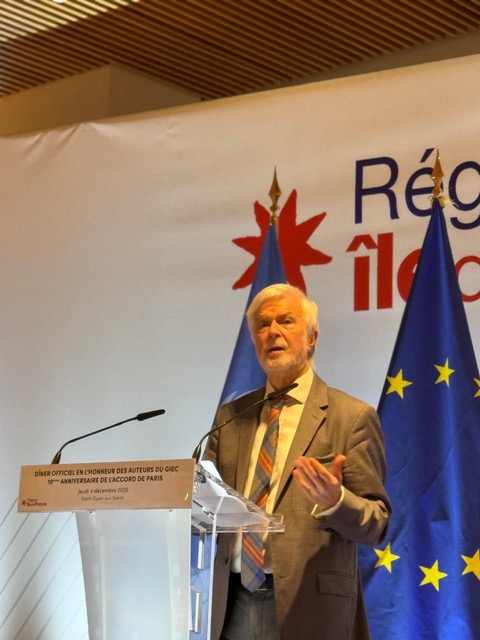
In a post-COP30 context where emission trajectories remain far from the 1.5°C target, this sequence – at the invitation of Yann Wehrling and Valérie Pécresse – also highlighted an essential point: political support for the independence of the IPCC is a prerequisite for climate action to be effective, particularly in the face of rising disinformation.
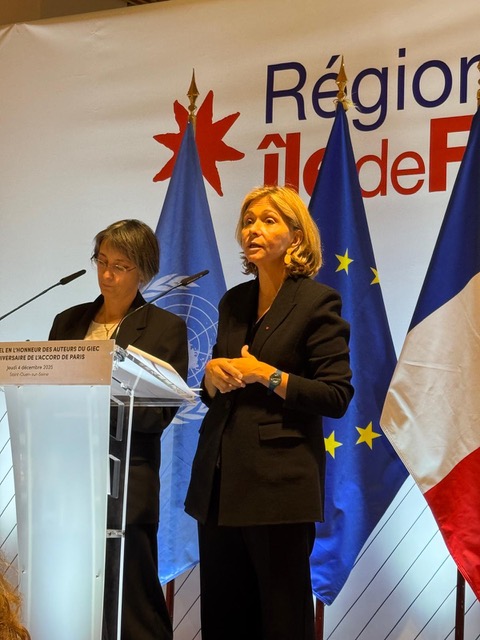
Finally, this dinner highlighted the responsibility that now falls on public actors: to ensure that the findings of AR7 do not remain mere observations, but are translated into more credible climate policies, truly comprehensive regional adaptation plans, and solidarity mechanisms that are commensurate with vulnerabilities.


Comments are closed