On 30 October 2025, at the Paris Peace Forum, under the theme of ‘New Coalitions for Peace, People and the Planet’, ten years after the Paris Agreement, shared ambition can no longer remain an intention: it must be translated into measurable and funded action. In an international context marked by geopolitical fragmentation and tension in spaces for dialogue, the Forum reiterated the usefulness of multilateralism and the authority of scientific evidence, two conditions necessary for joint progress on climate and biodiversity.
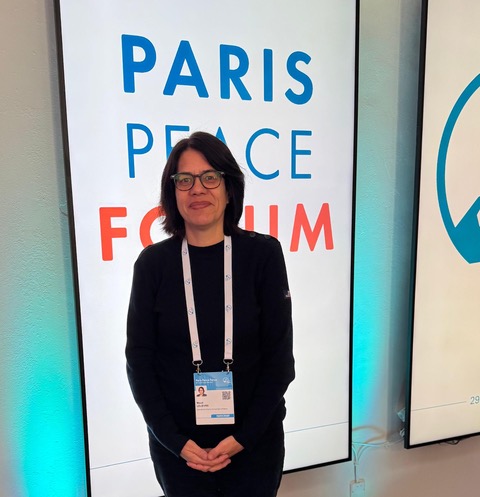
The discussions highlighted three priorities: strengthening climate ambition with credible pathways compatible with 1.5°C and accountability mechanisms capable of converting commitments into results; accelerating the phase-out of fossil fuels, which is at the heart of debates on energy security, economic stability and social justice; and placing nature at the centre of climate action, as restoring ecosystems is a key pathway to both mitigation and resilience.
In this context, I reiterated the role of IUCN: to bridge the gap between science and public decision-making, between climate and biodiversity, and between international actors and local implementation. By mobilising its global network of members and experts, IUCN is helping to deploy nature-based solutions, guide the elevation of biodiversity ambition and anchor conservation as the foundation of climate resilience.


Comments are closed