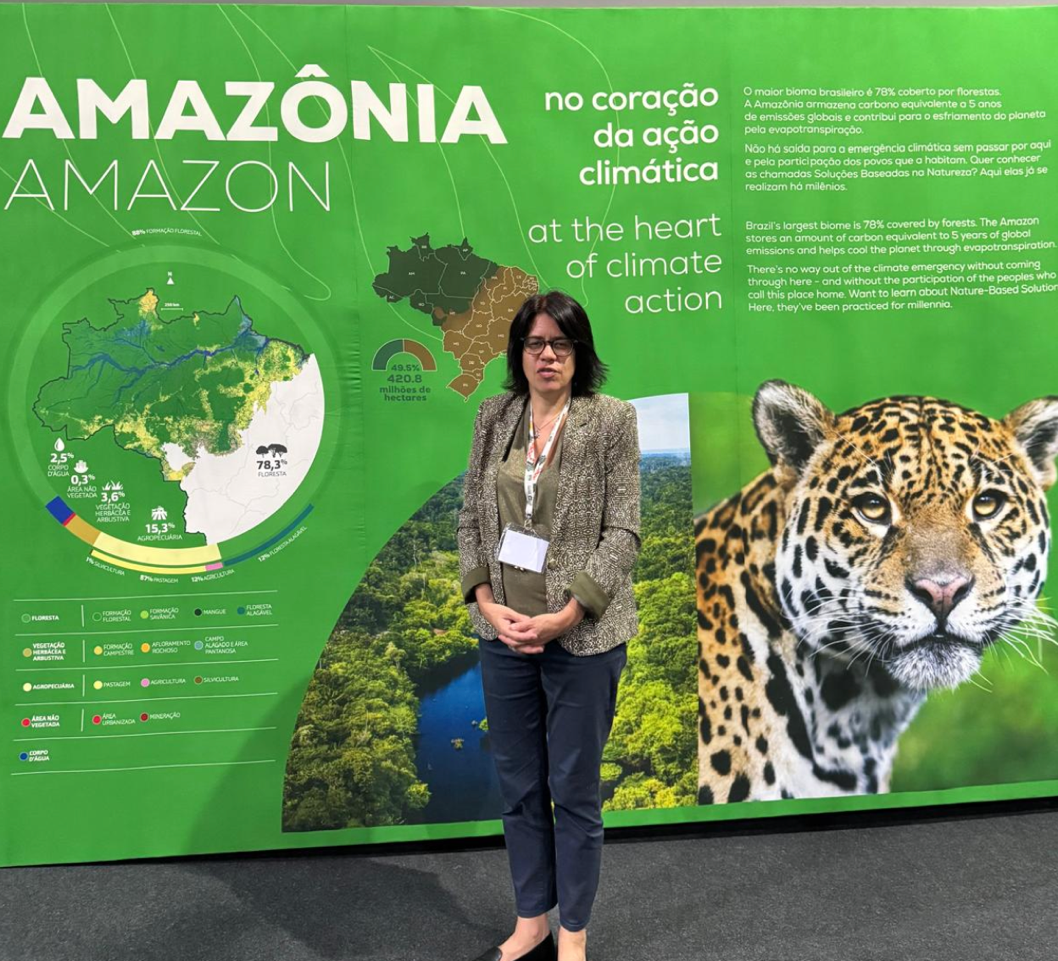
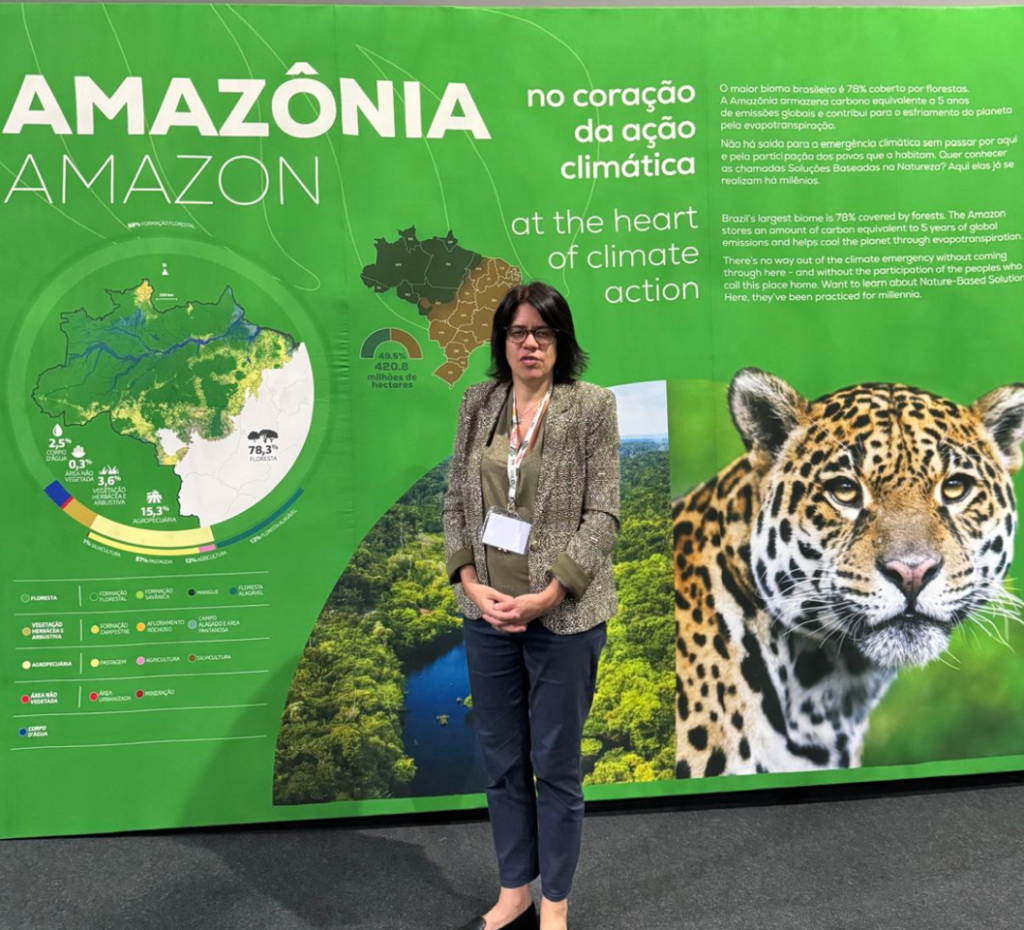
COP30 in Belém was part of a decisive sequence to put nature back at the heart of the climate agenda, in a context where expectations are particularly high as we approach the new Nationally Determined Contributions for 2035. For IUCN, the challenge is to transform promises into concrete progress for the climate, nature and people: raising the 2035 ambition, creating effective synergies between the Rio Conventions, making adaptation measurable, financing the transition at the right scale, and placing equity at the centre of decisions. In this context, one message stands out: climate ambition will only be credible if it is simultaneously ‘nature-positive’, measurable, financed and implemented at the right level of decision-making – that of territories, and therefore cities.
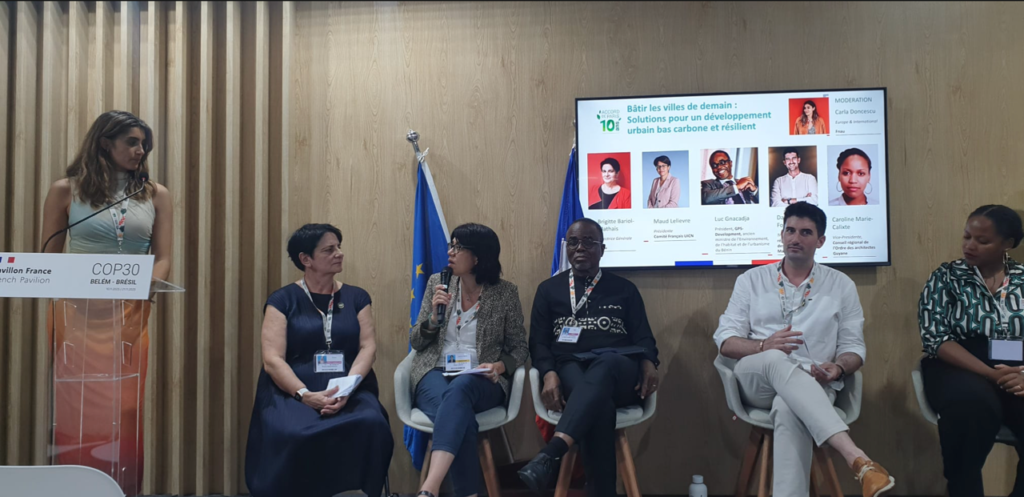
It was in this spirit that I had the opportunity to speak at the French Pavilion during the session entitled ‘Building the cities of tomorrow: solutions for low-carbon and resilient urban development’. The discussions reaffirmed that nature-based solutions are a pillar of climate action: sustainably managing and restoring ecosystems enables us to respond to societal challenges. In particular, I used examples from France and around the world to highlight how restoring dunes, coastal forests and coastal ecosystems can mitigate the effects of extreme events and protect entire populations, especially in a world where a significant proportion of the population lives near the coast.
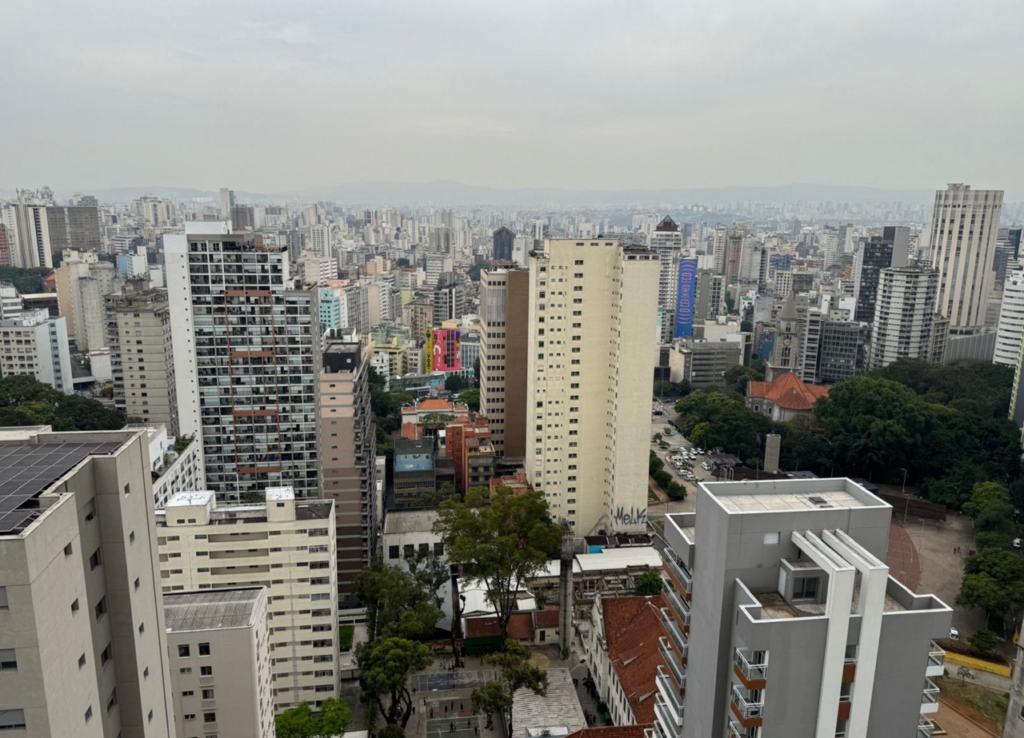
This discussion naturally led to the role of cities, a key focus of COP30. There will be no sustainable climate transition without local governments: they plan and regulate the transition. Yet less than 10% of climate finance currently goes to them, even though the impacts are felt first at the local level and the necessary investments are decided and deployed on the ground. I illustrated this reality with the experience of the City of Paris and the ‘Paris at 50°C’ mission, a forward-looking exercise designed to prepare the capital for extreme heat scenarios, and I shared concrete ideas combining planning, nature-based solutions, protection of vulnerable populations and crisis governance.
Finally, I wanted to reiterate a key point for the IUCN: biodiversity is not a passive victim of climate change, but an active player in its regulation. Climate and biodiversity are inextricably linked, and we cannot stabilise one without strengthening the other. By highlighting the role of wild animals in mitigation and adaptation – the true ‘engineers’ and ‘gardeners’ of ecosystems – I wanted to emphasise that protecting living organisms also means protecting the ecological cycles on which our own security, including climate security, depends.


Comments are closed