On 6 September, Fabrique de la Diplomatie 2025 drew a full house, buoyed by a particularly stimulating energy: many young people, future diplomats, and a genuine interest in the global issues that will shape their actions tomorrow. In this context, IRD organised a round table entitled ‘From UNOC to COP30: how can we make the voice of science heard in international negotiations?’ This is a key issue, given that the credibility of decisions today depends on our ability to link scientific evidence, ecological urgency and implementation.
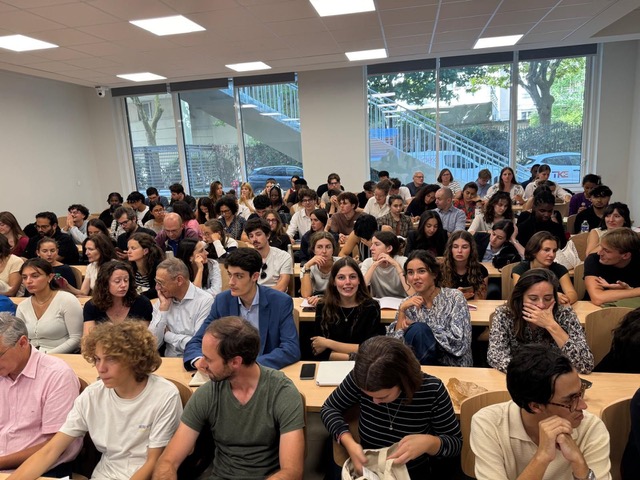
The discussions served as a reminder of what the IUCN brings to this ecosystem: a hybrid organisation that brings together States, government agencies, NGOs, scientists and representatives of indigenous peoples, and acts as a bridge between expertise and decision-making. Its credibility is based in particular on a solid scientific foundation, supported by hundreds of experts and reference tools such as the Red List of Threatened Species, which now includes more than 170,000 assessed species. The challenge, then, is to transform this complexity into messages that can be used by negotiators: clear summaries, training for decision-makers, and support for compromises that do not betray the essentials.
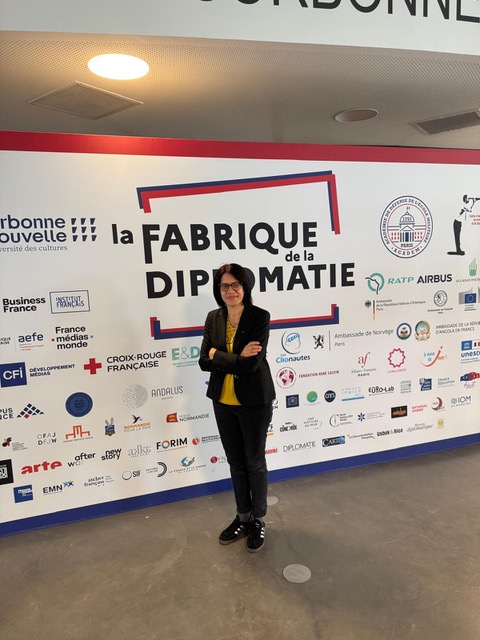
One thing is clear: science has gained ground at international summits, but unevenly. IPCC and IPBES reports are now ubiquitous, and UNOC has seen the emergence of synthesis initiatives such as the Starfish Barometer. However, there remains a significant gap between what science documents and the speed of implementation. This has led to a priority: to create permanent spaces for dialogue between scientists and decision-makers, but also to strengthen collective mobilisation so that science is not only heard, but actually guides action, from international negotiations to public policies in the field.


Comments are closed